



Introduction
As demand for liposomal ingredients grows across nutraceuticals, dietary supplements, and functional products, manufacturers and product developers have more suppliers to consider. However, choosing a liposomal ingredient manufacturer is not simply about finding a supplier that offers the required ingredient at a suitable price. Suppliers can differ in their product consistency, technical capabilities, production processes, and ability to support customers throughout a product's development and supply cycle. As a result, the choice of manufacturer can meaningfully affect both the sourcing process and the products that depend on these ingredients.
Why Choosing the Right Liposomal Ingredient Manufacturer Matters
The choice of manufacturer can affect much more than the initial purchase of a liposomal ingredient. Liposomal products require controlled formulation and manufacturing processes to achieve consistent specifications, while commercial projects also depend on reliable supply, technical support, and the ability to scale production as demand grows. A manufacturing partner with suitable capabilities can help reduce quality and supply risks, support smoother product development, and provide greater consistency from initial samples to commercial batches. For businesses developing or sourcing liposomal products, choosing the right manufacturing partner is therefore an important part of building a reliable and scalable product supply chain.

Key Differences Between Liposomal Ingredient Manufacturers
Liposomal ingredient manufacturers can differ in how they design, produce, and characterize liposomal systems.
Drug Loading Capacity
Drug loading capacity refers to the amount of active ingredient contained in a liposomal formulation relative to the total amount of liposomal material or formulation. It is influenced by factors such as lipid composition, active-to-lipid ratio, and formulation design. Differences in how manufacturers optimize these parameters can result in different loading capabilities for the same type of active ingredient.
Encapsulation Efficiency
Encapsulation efficiency refers to the percentage of the total active ingredient that is successfully encapsulated within the liposomal vesicles rather than remaining unencapsulated. It can be affected by the properties of the active ingredient, lipid composition, and encapsulation process. Manufacturers with different formulation strategies and process controls may therefore achieve different encapsulation efficiencies for the same active ingredient.
Electron Microscopy Imaging
Electron microscopy provides images of liposomal morphology and structure at the microscopic level. Techniques such as AFM and cryo-TEM can help visualize characteristics such as vesicle shape, lamellar structure, and structural integrity. The ability to provide relevant microscopy characterization can reflect the manufacturer's approach to verifying and documenting its liposomal structures.
Particle Size
Particle size refers to the diameter of liposomal vesicles and is commonly characterized as hydrodynamic diameter using dynamic light scattering (DLS). The size of liposomal vesicles can be influenced by lipid composition, formulation design, and manufacturing conditions. Differences in how manufacturers design and control these factors can result in different particle-size characteristics.
Stability
Stability describes the ability of a liposomal system to maintain its physical and chemical characteristics during storage. Changes may involve particle size, encapsulation efficiency, lipid integrity, or other product characteristics over time. Differences in lipid selection, formulation design, manufacturing processes, and storage conditions can contribute to different stability profiles between manufacturers.
Dispersibility
Dispersibility refers to the ability of a liposomal ingredient to distribute evenly in a suitable medium after dispersion or reconstitution. For powdered liposomal ingredient suppliers, the formulation and drying process can affect how readily the product redistributes and whether the liposomal structure is maintained after reconstitution. Manufacturers' formulation and processing approaches can therefore influence the dispersibility of the final ingredient.
Key Factors to Consider When Choosing a Liposomal Ingredient Manufacturer
Once the differences between manufacturers are clear, it is important to evaluate whether a supplier can
meet the technical, quality, development, and supply requirements of your project.

Liposomal Technology and Product Expertise
A manufacturer's liposomal technology directly influences how an active ingredient is processed and delivered within the formulation. Look for relevant experience with the active ingredients used in your product, along with the ability to achieve consistent encapsulation efficiency, protect sensitive ingredients, maintain good dispersion, and support formulation compatibility. These capabilities can help determine whether the resulting liposomal ingredient is suitable for your intended application.

Quality Control and Manufacturing Standards
Consistent liposomal ingredient quality depends on how well a liposomal ingredient supplier controls both raw materials and production processes. Consider its approach to raw material qualification, process control, finished-product testing, and batch traceability, as well as whether relevant quality certifications are in place. Strong quality controls can help maintain consistent specifications across batches and reduce quality risks as production moves from samples to commercial supply.
Scientific Validation and Functional Evidence
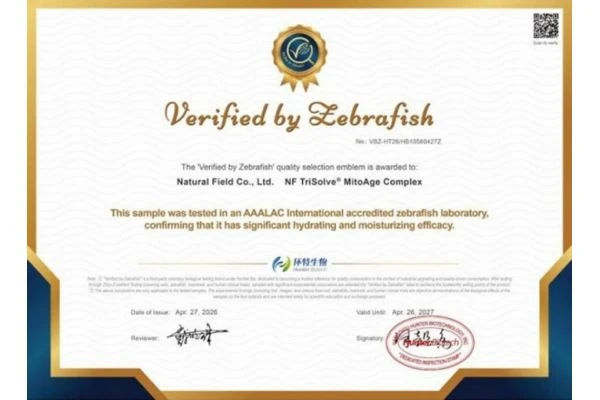
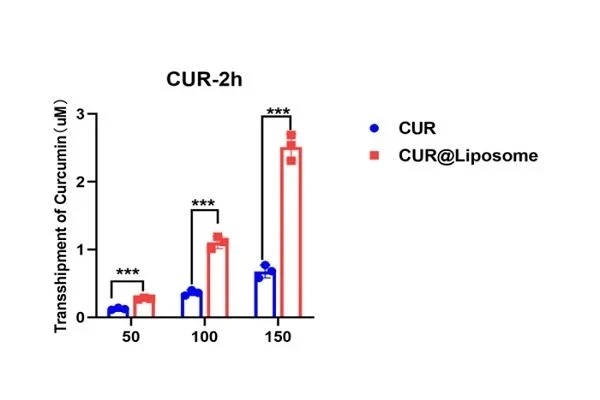
Scientific research provides a basis for evaluating the functional potential of liposomal ingredients beyond their basic specifications. When comparing suppliers, consider the types of research they conduct, such as cellular studies, zebrafish studies, and human clinical trials, as well as the extent to which the findings support the intended functional applications of their ingredients. A broader and more systematic research approach can provide stronger evidence for evaluating the functional potential of a liposomal ingredient.

R&D and Customization Capabilities
Product requirements do not always fit a standardized liposomal ingredient, particularly when developing a new formulation or combining multiple actives. A capable manufacturer should be able to support formulation development, customized specifications, and OEM/ODM projects when needed. In-house R&D capabilities can also help move a project from initial samples and testing toward pilot production and commercial manufacturing.
Production Capacity and Supply Reliability
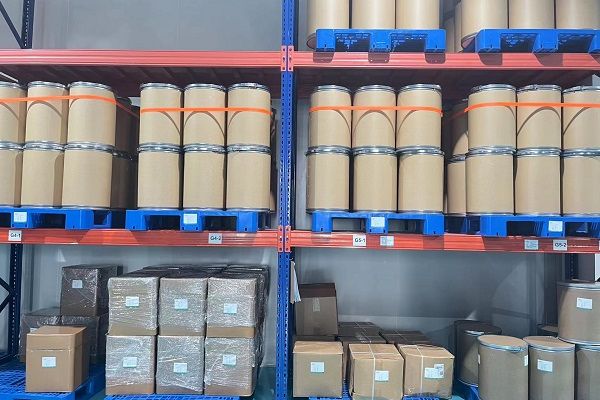
A suitable production partner should be able to support both initial orders and future production needs as demand changes. Consider its production capacity, MOQ, lead time, and ability to scale from samples or pilot batches to commercial volumes. Reliable raw material sourcing, consistent production, and stable repeat-order support can also help maintain continuity once the product enters regular supply.

Technical, Regulatory, and Customer Support
Ongoing support can make a significant difference when developing or sourcing liposomal ingredients, especially for customized projects. Consider whether the manufacturing partner can provide formulation guidance, samples, product specifications, COAs, certifications, and other regulatory documentation as needed. Responsive communication and timely assistance with technical or quality-related issues can also make long-term cooperation more efficient.
Choosing the Right Manufacturer for Different Project Needs
Different projects may place different priorities on a manufacturer's capabilities and level of support.
For Standard Liposomal Ingredient Procurement
When the requirement is a ready-to-use liposomal ingredient, the priority is usually a reliable product that meets the required specifications and can be supplied consistently. Product availability, quality control, MOQ, lead time, and pricing are key points to review before placing an order.
For New Product Development
New formulations often require more technical involvement than standard ingredient procurement. In this case, a suppier with formulation expertise, sample development, testing support, and the ability to adjust the liposomal system can help address specific product requirements during the development process.
For OEM/ODM Projects
OEM/ODM projects typically require broader cooperation, from formulation and ingredient development to production and documentation. The ingredient supplier should have sufficient R&D capabilities, customization experience, and a clear development process to turn a product concept or specification into a manufacturable solution.
For Long-Term Bulk Supply
For products entering regular commercial production, supply stability becomes increasingly important. Production capacity, batch consistency, raw material availability, lead time, and scale-up capabilities should be considered to ensure the manufacturer can support growing order volumes and ongoing replenishment.
How to Evaluate and Compare Shortlisted Manufacturers
A structured comparison can make it easier to distinguish between manufacturers that
appear similar at first glance and identify the most suitable option for your project.
Verify Manufacturer Claims
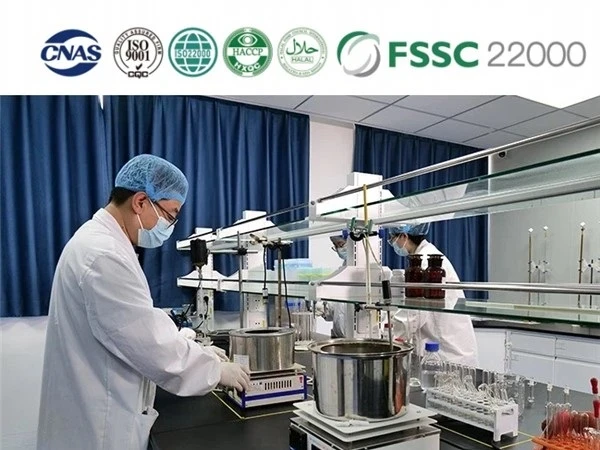
Before moving forward with a supplier, verify the information presented about its products, technology, certifications, and manufacturing capabilities. Request relevant product specifications, COAs, test reports, certifications such as ISO or HACCP, and other supporting documents where applicable. This helps distinguish documented capabilities from general marketing claims.
Review Samples and Supporting Data
Samples can help determine whether a liposomal ingredient is suitable for further evaluation, but they should be reviewed alongside the manufacturer's technical documentation. Check the sample against agreed specifications and review data such as COA, active content, encapsulation efficiency, particle size, and stability where applicable. Additional testing can be conducted by internal R&D or QC teams or qualified third-party laboratories when needed.

Review Commercial Terms
Once the products meet your technical requirements, review the commercial conditions that will affect procurement. Consider MOQ, unit pricing, lead time, packaging specifications, shipping arrangements, payment terms, and bulk-order conditions. Looking at the overall supply requirements rather than unit price alone can provide a more realistic view of the procurement value.
Assess Long-Term Suitability
Before establishing a long-term relationship, consider whether the manufacturing partner can continue to meet your requirements as the project develops. The transition from samples to pilot or commercial batches, repeat-order capacity, documentation support, technical communication, and response to changing requirements can provide useful indications of whether the supplier is suitable for ongoing cooperation.

Why Choose Natural Field as Your Liposomal Ingredient Manufacturer
Natural Field combines liposomal ingredient manufacturing with technical development and supply
capabilities to support projects from initial ingredient evaluation to commercial production.
Liposomal Technology and Product Expertise
At Natural Field, we develop liposomal ingredients through our NF Lipo® and NFco-loading® Liposome Technologies. NF Lipo® supports individual active encapsulation, while NFco-loading® enables two or more active ingredients with different properties to be encapsulated within the same liposomal carrier. Both technologies support ingredient protection, dispersion, stability, and formulation compatibility.
R&D and Customization Support
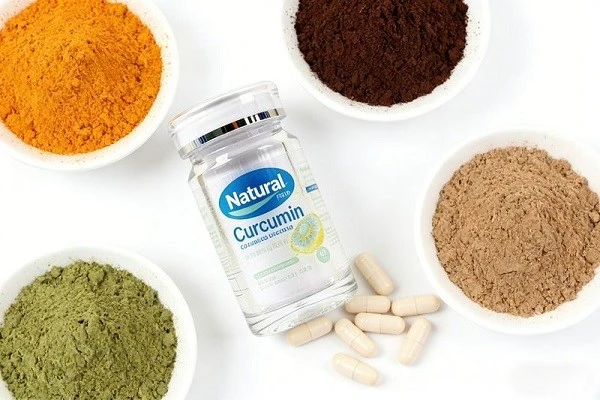
At Natural Field, our R&D team supports customized nutraceutical formulation based on ingredient functionality, dosage-form requirements, and product goals. Our OEM/ODM capabilities cover liposomal formulation development, stability optimization, solubility enhancement, flavor masking, and manufacturing compatibility adjustment, with support for formats such as powders, capsules, liquids, softgels, tablets, and sachets
Quality Control and Technical Documentation
At Natural Field, our quality control system covers raw material inspection, in-process control, finished-product testing, documentation, and traceability. Our in-house laboratory supports testing for key parameters such as active content, moisture, particle size, and microbiological safety. We also provide COA, MSDS, ISO certificates, and other compliance documentation to support product evaluation and procurement.

Manufacturing and Supply Capabilities
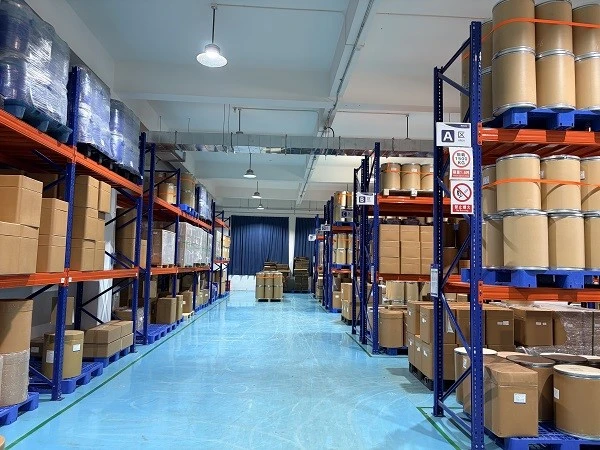
At Natural Field, we operate an integrated production network across Xi'an, Xiamen, and Shanghai, with a manufacturing facility of over 4,000 m² and production capacity of approximately 100 tons per month. Our flexible production scheduling supports different order volumes, while standardized processes and batch controls help maintain consistent quality from initial orders to ongoing commercial supply.

Technical and Ongoing Support
At Natural Field, we provide application guidance, stability and compatibility testing, regulatory assistance, and after-sales support throughout the cooperation process. Our team can help address formulation or processing challenges, support compliance requirements, and provide ongoing assistance as product needs evolve.

Discover More Liposomal Nutraceutical Ingredients



Looking for the Right Liposomal Ingredient Partner?