




Introduction
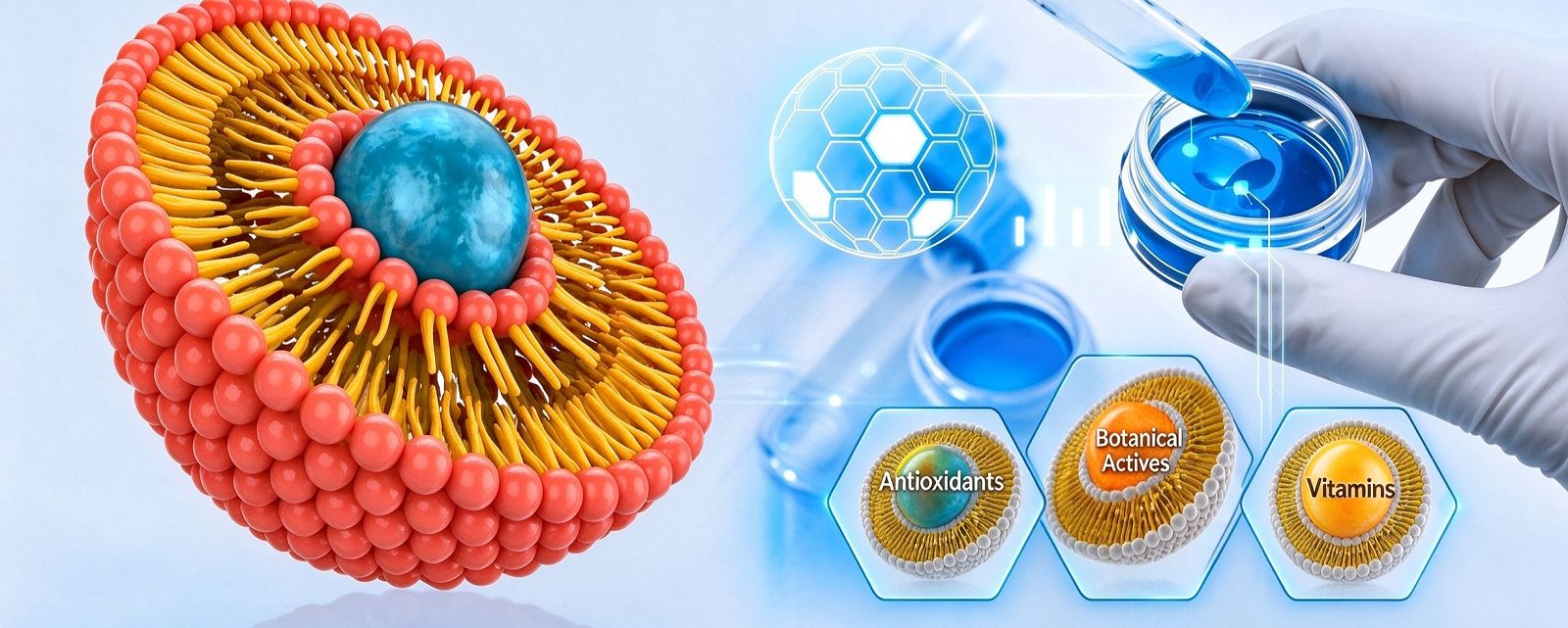
Liposomal delivery has gained attention in the nutraceutical industry as a formulation approach for active ingredients with poor water solubility or limited stability. By encapsulating active compounds in phospholipid-based vesicles, it offers new possibilities for developing dietary supplements, functional beverages, and specialized wellness products.
But what makes liposomal delivery useful, and which nutraceutical ingredients are suitable for this approach? This article explores the key benefits, applications, scientific evidence, and technical limitations of liposomal delivery to help ingredient buyers and product developers assess its potential.
Key Benefits of Liposomal Delivery for Nutraceutical Ingredients
Liposomal delivery offers several advantages for nutraceutical formulation, particularly when conventional formulations face challenges with solubility, ingredient stability, or delivery performance.
Improved Solubility and Dispersion
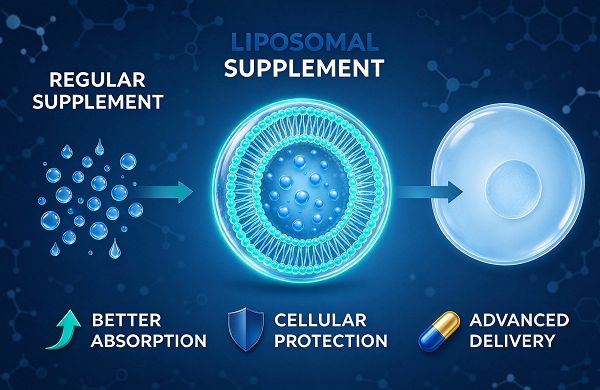
Many nutraceutical ingredients, including curcumin and coenzyme Q10 (CoQ10), have low water solubility, making them difficult to incorporate uniformly into liquid supplements and other water-based products. Liposomal encapsulation provides a lipid-based environment for these compounds, offering an alternative to conventional formulation approaches. For product developers, better dispersion can make it easier to incorporate these ingredients into liquid formulations and achieve a more uniform distribution throughout the product.
Protect Sensitive Active Ingredients
Some vitamins and botanical compounds are vulnerable to oxidation or degradation during processing and storage. Vitamin C, for example, can lose potency through oxidation, while certain plant-derived compounds are sensitive to light, heat, or changes in their surrounding environment.
Encapsulation within a phospholipid structure can help shield sensitive compounds from external stressors. This can be useful when developing ingredients that need to retain their quality throughout manufacturing, storage, and the product's intended shelf life.
Enhanced Nutrient Uptake & Bioavailability
Molecular size, electrical charge, and water or lipid solubility all influence a substance's ability to cross the intestinal barrier. Liposomes can protect certain nutraceutical ingredients from gastric acid and digestive enzymes during digestion, while influencing how these compounds interact with and cross the intestinal barrier.
Phospholipids are major components of both liposomes and human cell membranes. This structural similarity allows liposomes to interact with intestinal cell membranes through mechanisms such as membrane fusion and endocytosis, potentially facilitating the uptake of encapsulated active ingredients.
Versatile Encapsulation and Controlled Release
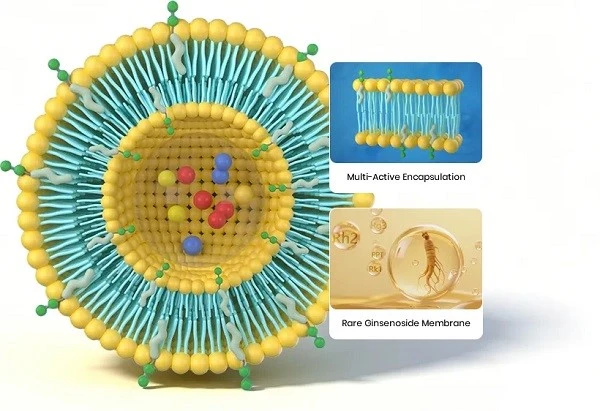
Thanks to their unique vesicular structure, a hydrophilic exterior, a hydrophilic interior, and a lipophilic membrane, liposomes can carry substances with different chemical properties simultaneously. Developers can explore combining multiple active ingredients into a single liposomal formulation; for example, curcumin and resveratrol could be incorporated into formulations designed for antioxidant purposes.
Liposomal delivery systems can also be designed as sustained-release structures, allowing for the steady release of nutrients. This prevents a sharp, transient spike in concentration followed by rapid loss, thereby enhancing bioavailability.
Common Nutraceutical Ingredients Used in Liposomal Delivery Systems
Liposomal nutraceutical formulations can incorporate a variety of active ingredients, including vitamins, antioxidants, botanical compounds, and other specialty nutrients. These ingredients serve different nutritional purposes and can be developed into single-ingredient supplements or multi-ingredient formulas for specific consumer health markets.
Vitamins and Nutritional Actives
Vitamins and nutritional actives commonly explored for liposomal formulations include vitamin C, vitamin D3, and vitamin B12. These ingredients are used in products targeting daily nutrition, immune health, bone health, and energy metabolism. For example, vitamin C and zinc may be combined in immune health supplements, while vitamin D3 and vitamin K2 are frequently paired in bone health formulas. Liposome technology facilitates the use of concentrated vitamin powders in modern nutritional supplement formulations to optimize absorption.
Antioxidants and Cellular Health Ingredients
Antioxidants and ingredients associated with cellular health are used in nutritional supplements targeting oxidative stress and healthy aging. Glutathione, CoQ10, and astaxanthin are examples of ingredients used in antioxidant-focused nutritional products. They can be incorporated into supplements targeting antioxidant protection, cellular health, and healthy aging. Formulators may explore combinations such as glutathione with vitamin C or CoQ10 with vitamin E to develop multi-ingredient antioxidant formulas.
Botanical Extracts and Phytochemicals
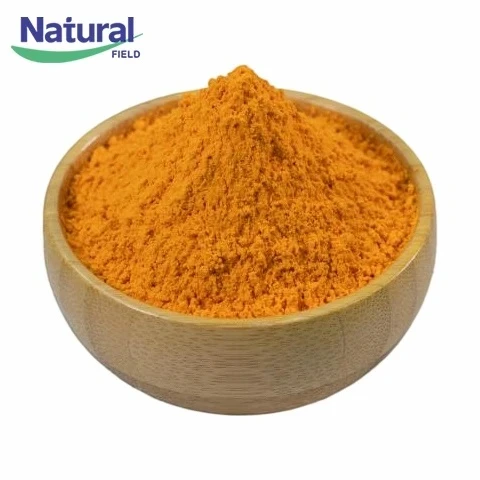
Plant extracts and phytochemicals, such as curcumin, resveratrol, quercetin, and green tea polyphenols, are incorporated into nutraceutical formulations targeting antioxidant support and other wellness applications. However, some of these compounds have limited water solubility or stability and a bitter taste, which can complicate their incorporation into conventional supplement formats. Liposomal technology provides an alternative delivery approach for these ingredients, with potential applications in capsules, powders, and liquid supplements.
Minerals for Liposomal Formulations
Iron, zinc, magnesium, and calcium are relevant to the development of liposomal nutritional supplements targeting mineral intake, bone health, and other nutritional needs. Common nutrient combinations include iron with vitamin C in iron supplements and calcium with vitamin D3 in bone health formulas. These combinations also provide starting points for developing multi-nutrient liposomal formulations, bringing together minerals and complementary vitamins in a single delivery system.
Peptides and Specialty Nutrients
Glutathione, NAD⁺, and nicotinamide are specialty nutraceutical ingredients used in supplements targeting antioxidant protection, cellular energy metabolism, and healthy aging. Glutathione is a tripeptide involved in antioxidant defense, while NAD⁺ and nicotinamide play roles in cellular energy metabolism and related biochemical processes. These ingredients are used in specialized supplement formulations focused on cellular health, age-related wellness, and beauty-from-within applications.
Applications of Liposomal Ingredients in Nutraceutical Product Development
Liposomal delivery is being explored across different nutraceutical product formats, from conventional dietary supplements to functional beverages and specialized nutrition products.
1. Dietary Supplements
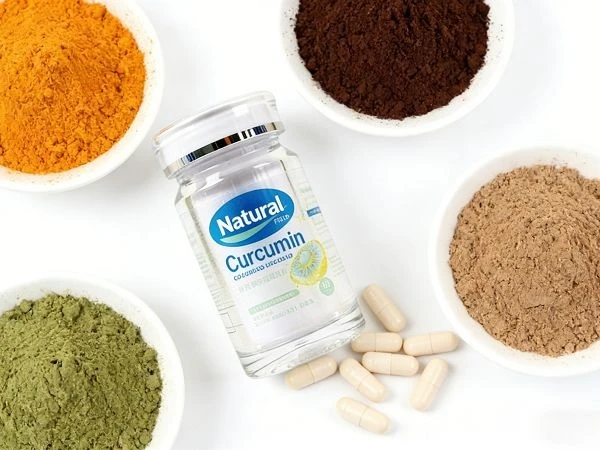
Liposomal powders can be compressed into tablets or encapsulated in hard-shell capsules for use as daily supplements. They can also be developed into dry powder formats for stick packs, sachets, and beverage mixes. For example, liposomal vitamin B12 may be used in daily vitamin supplements, while liposomal quercetin can be considered for antioxidant-focused formulations. This provides a more convenient way to meet daily nutritional needs, particularly for busy professionals and outdoor workers.
2. Liquid Supplements & Oral Shots
Liquid drops, oral solutions, syrups, and single-serving nutritional shots are convenient formats for consumers who prefer alternatives to conventional capsules and tablets. Liposomal ingredients such as PEA, melatonin, and botanical extracts can be considered for different wellness-focused formulations. Liquid formulations may also offer opportunities to address taste and odor challenges associated with certain ingredients, such as the sulfur-like odor of N-acetylcysteine (NAC).
3. Functional Beverages
Liposomal ingredients are being explored in functional drinks designed for daily wellness, beauty nutrition, and specialized nutritional needs. Beauty-oriented beverages may incorporate hyaluronic acid and collagen-related ingredients, while botanical antioxidants can be used in wellness drinks. Relaxation and sleep-support beverages may also contain magnesium and adaptogenic herbs such as ashwagandha, targeting stress management and nighttime wellness.
4. Sports Nutrition & Active Lifestyle Products
Sports nutrition products cover a range of nutritional needs, from daily protein intake to post-exercise recovery. Protein powders and recovery blends commonly combine whey or plant-based proteins with branched-chain amino acids (BCAAs) to provide amino acids needed for muscle repair. Liposomal botanical ingredients, including fisetin, can also be explored as additional components in specialized sports nutrition formulations.
5. Functional Foods & Nutritional Products
Functional foods refer to whole grains, fortified foods, or nutrient-rich products consumed as part of a daily diet that provide physiological benefits or help reduce the risk of chronic diseases. Liposomal ingredients may also be explored in fortified foods and convenient nutritional products, including nutrition bars, meal replacement powders, and powdered nutritional blends. Vitamin C, glutathione, coenzyme Q10 (CoQ10), resveratrol, and curcumin are popular ingredients for product concepts that provide additional nutritional value.
Scientific Evidence for Liposomal Delivery: Caco-2 Study Results
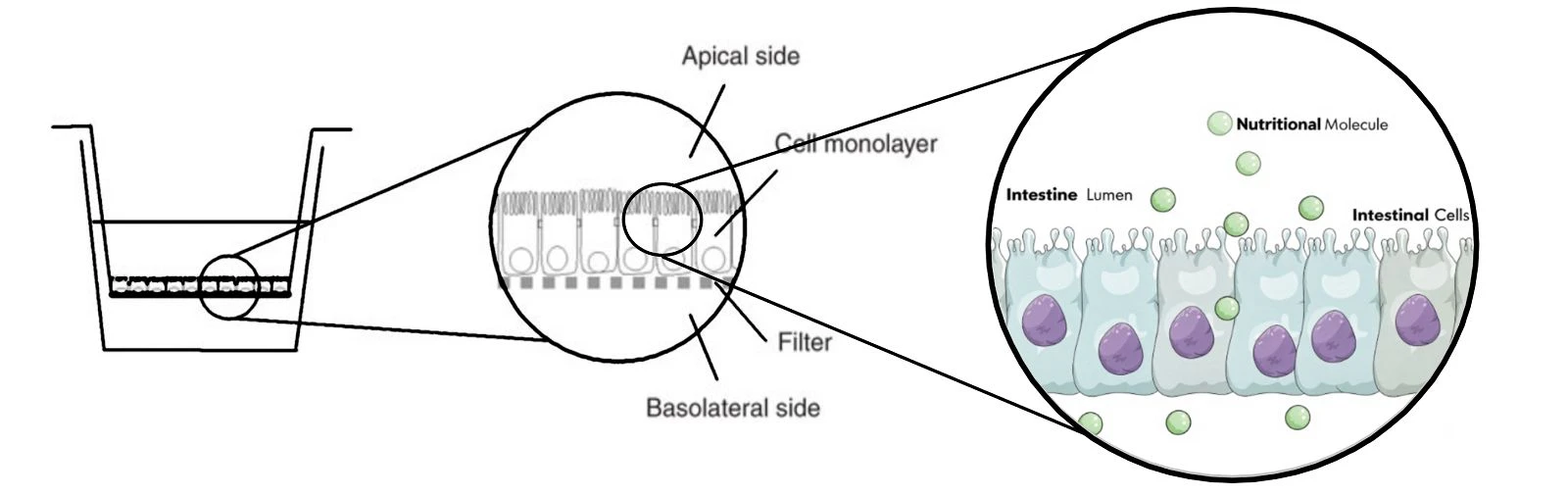
Understanding the Caco-2 Cell Models
The Caco-2 cell model is an in vitro research tool derived from a continuous human colorectal adenocarcinoma cell line. When cultured under appropriate conditions, these cells differentiate into an enterocyte-like monolayer that mimics certain structural and functional characteristics of the human small intestinal epithelium.
Caco-2 assays are widely used in pharmaceutical, nutraceutical, and functional food research to evaluate intestinal permeability and the transport of dietary compounds across the intestinal barrier. For nutraceutical ingredient developers, Caco-2 studies can provide useful insights into intestinal permeability, transepithelial transport, and the potential intestinal absorption of specific ingredients.

Evaluating NFlipo® Liposomal Ingredients in Caco-2 Studies
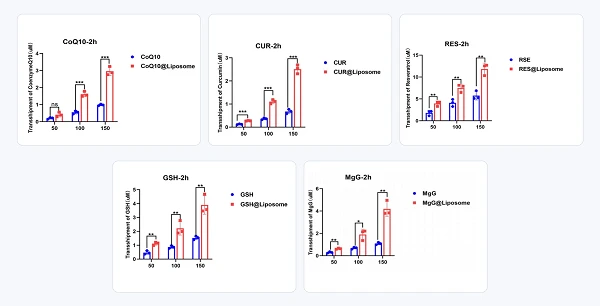
To investigate the performance of liposomal delivery in nutraceutical applications, Natural Field has evaluated several NFlipo® liposomal ingredients using Caco-2 cell models. The studies compared the cellular uptake of liposomal and conventional forms of ingredients: curcumin, resveratrol, coenzyme Q10 (CoQ10), glutathione, and magnesium glycinate.
The ingredients were tested at concentrations of 50 μM, 100 μM, and 150 μM to assess differences in cellular uptake between the two formulations.
Enhanced Absorption with NFlipo® Liposomal Technology
The Caco-2 study results showed improved cellular uptake across the tested NFlipo® liposomal ingredients compared with their conventional counterparts.
NFlipo® Liposomal Curcumin, NFlipo® Liposomal Resveratrol, and NFlipo® Liposomal CoQ10 achieved approximately 1–3 times the cellular uptake of their non-liposomal forms. NFlipo® Liposomal Glutathione and NFlipo® Liposomal Magnesium Glycinate also demonstrated higher cellular uptake compared with their conventional forms.
These findings provide in vitro evidence of the potential of NFlipo® liposomal technology to improve the cellular uptake of different nutraceutical ingredients.
Limitations and Challenges of Liposomal Delivery in Nutraceuticals
Despite its potential benefits, liposomal delivery still faces several technical and manufacturing challenges:
Formulation Stability
Liposomes are susceptible to environmental and storage conditions, particularly temperature, light exposure, and pH changes. These factors may affect phospholipid membrane integrity, leading to lipid oxidation, particle aggregation, or leakage of encapsulated ingredients. Changes in particle size and encapsulation efficiency during storage require stability testing under different temperature and storage conditions.
Particle Size and Encapsulation Control
Many nano-liposomal formulations target particle sizes around 100–200 nm, with a polydispersity index (PDI) below 0.2 often used as an indication of a relatively narrow particle size distribution. Achieving consistent particle size and high encapsulation efficiency requires careful control of formulation composition and processing conditions.
Manufacturing and Scale-Up
Laboratory-scale formulations may not retain the same properties during commercial production. Changes in mixing speed, processing pressure, and production volume can affect particle size, encapsulation efficiency, and batch consistency. Specialized equipment, such as high-pressure homogenizers and microfluidic systems, may be required.
Ingredient Compatibility
Different active ingredients have different solubility characteristics and interactions with phospholipids. For example, hydrophilic ingredients are generally incorporated into the aqueous core, while lipophilic compounds are accommodated within the phospholipid bilayer. Combining multiple ingredients requires compatibility testing to assess encapsulation efficiency and formulation stability.
Supporting Your Liposomal Formulation Development & Manufacturing
Developing liposomal ingredients for nutraceutical applications requires careful formulation design, process control, and consistent manufacturing. Natural Field combines patented encapsulation technologies with R&D and production capabilities to support supplement brands and ingredient formulators, from initial development to commercial supply.
Single-Active and Co-Loaded Liposomal Formulations
Natural Field develops liposomal formulations for individual active ingredients as well as complex multi-ingredient systems. Our proprietary NFco-loading® technology uses ginsenosides instead of cholesterol as membrane stabilizers, enabling different active ingredients to be co-encapsulated within a single liposomal carrier.
With more than 39 patents and patented encapsulation technologies, our R&D team undertakes custom formulation development based on ingredient properties and product requirements. Samples are available for initial testing and product evaluation.
Manufacturing & Quality Assurance
Natural Field produces high-purity liposomal powders with good solubility and consistent particle characteristics, suitable for dry blends, sachets, capsules, tablets, and selected beverage systems.
Our controlled manufacturing processes maintain consistent encapsulation and batch quality. Quality control extends from raw material sourcing to final inspection, covering active content, moisture, pH, particle size, encapsulation efficiency, and relevant contaminant testing. Production takes place in certified facilities, with FSSC 22000 and HACCP certification support.

Technical & Commercial Support
Natural Field offers OEM/ODM and private label services for supplement brands, with support for product specifications, packaging options, and customized project requirements.
Buyers can request batch-specific COAs, MSDS, and other relevant documentation. Our team also provides quotations, lead time information, and order coordination, with a 24-hour response commitment for inquiries.
We arrange worldwide shipping through international express services such as FedEx, air freight, and sea freight.

Explore More Liposomal Nutraceutical Ingredients
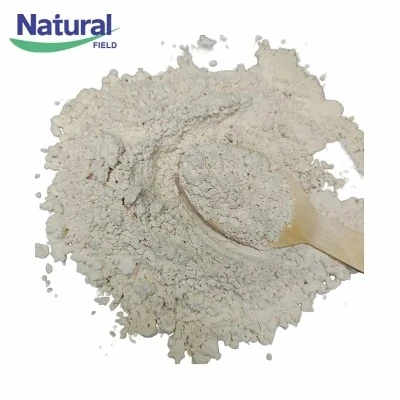
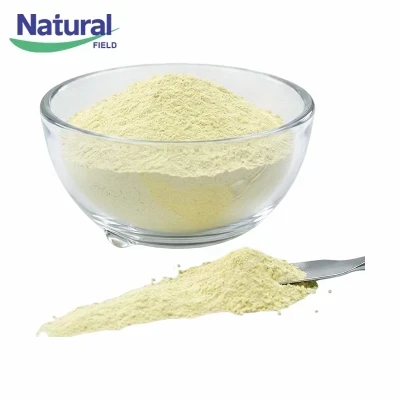
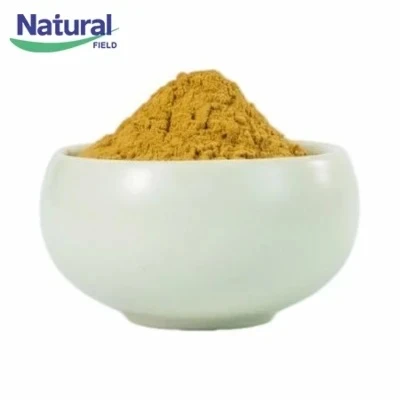
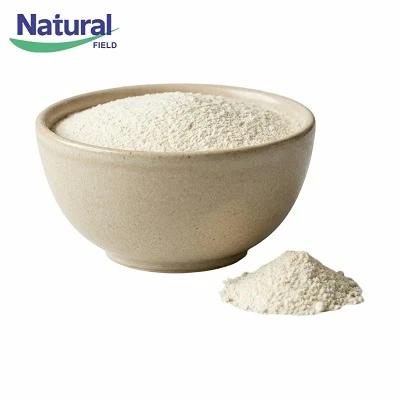
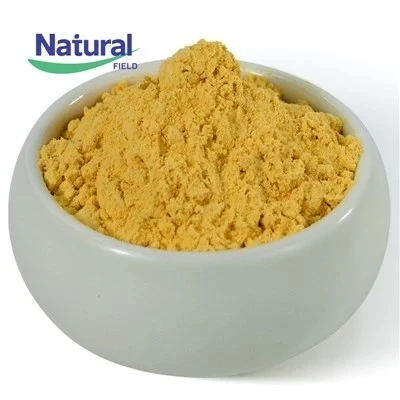
Natural Field offers a growing range of liposomal nutraceutical ingredients in powder form, covering botanical extracts, flavonoids, vitamins, and other functional ingredients. Explore some of our available products below, or contact our team for more options and custom formulation inquiries.
Frequently Asked Questions
Q: Is Liposomal Delivery Suitable for All Nutraceutical Ingredients?
A: No. While liposomal delivery may improve the stability, solubility, and bioavailability of sensitive ingredients such as vitamins, minerals, and botanical compounds, it may not be suitable for very large molecules, certain volatile compounds, or ingredients that can disrupt the phospholipid bilayer.
Q: How Can Buyers Evaluate the Quality of Nutraceutical Ingredients?
A: When comparing ingredients, buyers should look beyond the active ingredient content. Key evaluation parameters include particle size and distribution, encapsulation efficiency, active content, moisture level, and formulation stability.
Q: Can Natural Field Develop Custom Liposomal Ingredients?
A: Yes. Natural Field offers custom liposomal formulation development and contract manufacturing, covering new formulation development, existing formula optimization, safety testing, and production scale-up from pilot trials to industrial manufacturing.
Q: Can I Request Samples Before Placing a Bulk Order?
A: Yes. Samples are available for initial testing, formulation trials, and product evaluation. Buyers can discuss sample requirements with our team before proceeding with bulk production.
Q: What Is Your MOQ for Liposomal Ingredients?
A: Natural Field's typical minimum order quantity for bulk liposomal ingredient orders starts at 25 kg. Actual order arrangements can be discussed based on the ingredient, specifications, and project requirements.
Develop Your Next Liposomal Nutraceutical Product with Natural Field